Commercial Waste Removal in Hoxton

Commercial waste removal in Hoxton needs to be straightforward, dependable and suited to the way local businesses work. Our service covers the collection and disposal of office rubbish, shop waste, light bulky items and mixed commercial materials, with a practical approach that keeps premises clear without adding unnecessary disruption. If you need recurring collections or a one-off clearance, we provide a flexible waste removal service that can be matched to the type and volume of waste you produce.
We handle a wide range of non-hazardous commercial waste, including packaging, shelving, broken office furniture, redundant stock and general business rubbish. Where materials need separating for recycling, we sort them appropriately and direct suitable items away from disposal where possible. For businesses that want a tidier, safer working environment, the aim is to remove waste efficiently while keeping the process simple from start to finish. Our service is arranged around the collection itself, so you can focus on the running of your premises.
If you are comparing options, start with the type of waste and the amount involved. That makes it easier to choose between a one-off clearance, occasional collection or a more regular arrangement. When you are ready, you can request a quotation and outline what needs removing.
Office and workspace clearances
Office waste removal is often about more than simply taking bags away. Workspaces can generate paper waste, packaging, obsolete equipment, old desks, monitors, chairs and storage items that no longer serve a purpose. Our office clearances are designed to handle these mixed contents in a sensible order, so items can be moved out safely and the remaining space is left ready for its next use. This is useful whether you are clearing a small office, a shared workspace or a larger commercial suite.
Where access is straightforward, we can remove items from reception areas, meeting rooms, storage cupboards and back offices with minimal interruption. If you are planning a wider tidy-up, the service can also include mixed furniture disposal and separation of recyclable materials where appropriate. For some businesses, an organised clearance is the simplest way to deal with a room that has gradually filled with outdated items, and it can prevent waste from building up again in busy working areas.
What office collections commonly include
The work often involves a combination of small and bulky items, and each needs to be handled differently. Common office waste includes:
- paper, cardboard and general packaging
- desks, chairs and filing units
- obsolete printers and similar equipment
- broken or surplus storage items
- mixed rubbish gathered during a relocation or refit
Business rubbish and recurring waste

Many businesses need a reliable way to keep everyday rubbish under control. Our business waste removal service is intended for that ongoing practical need, covering routine collections of commercial rubbish from shops, offices, studios and other work premises. Instead of letting waste build up between clearances, a planned collection keeps the amount manageable and helps premises stay usable. It is a sensible option where the waste stream is steady rather than occasional.
Recurring waste arrangements are often chosen by businesses that produce packaging, delivery materials, stock wrap or minor unwanted items on a regular basis. The exact collection pattern depends on the volume and type of waste, but the principle is the same: remove what is no longer needed, keep suitable items separate for recycling and avoid disruption to trading. Consistency matters because regular collections are often easier to manage than an occasional large clear-out.
When you need to decide how often to arrange collection, think about how quickly waste accumulates and how much storage space is available on site. If the waste area is getting full, a one-off clearance may help you reset things. If materials are produced continuously, a more regular collection plan may be the better choice. Send the details through clearly so the work can be matched to the right level of removal.
Furniture, fixtures and bulky items
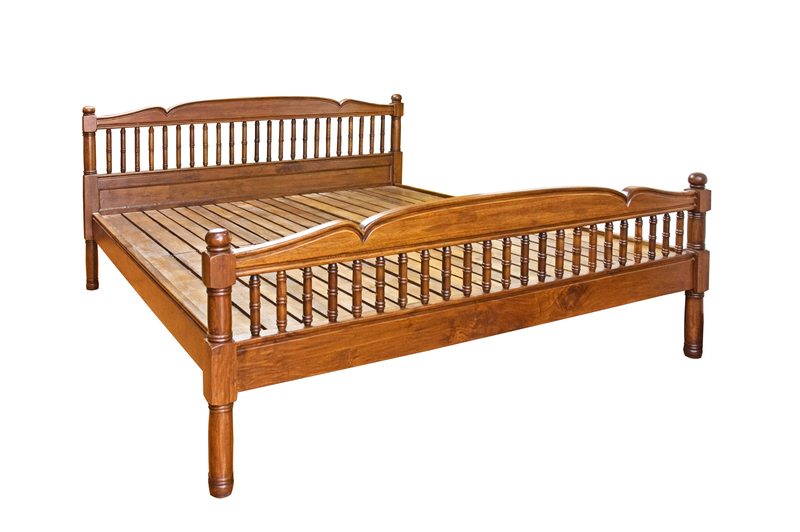
Commercial premises often reach a point where old furniture and larger items need to be taken away together. Chairs, tables, cabinets, shelving and reception furniture can take up useful space long after they stop being practical. Our furniture clearance and furniture disposal services are suited to those items, whether they are being removed as part of an office refresh, a relocation or a general clear-out. This can also include mixed bulky waste where the contents are no longer needed but are still awkward to move.
Removing bulky items carefully matters because furniture often has to be moved through shared entrances, corridors, lifts or tighter work areas. That means planning the order of removal and handling each piece with enough care to avoid unnecessary damage. We can also manage mixed loads where furniture is combined with smaller rubbish, so the clearance is handled as one organised job rather than several separate visits. For many customers, the main benefit is simply getting large items out of the way without having to manage the disposal themselves.
When furniture is involved, a brief list of what needs removing is usually helpful. If you are also clearing storage rooms or back-office areas, it can be useful to group items by room or by type. That keeps the job clear and supports a more accurate quotation.
Waste from shops, storage rooms and light commercial premises
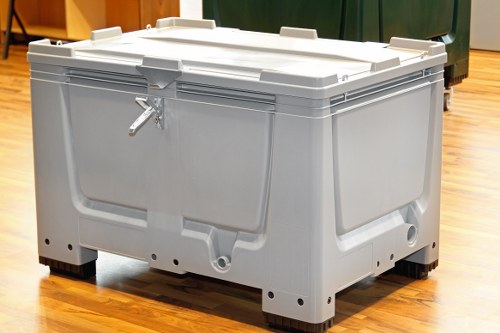
Retail and light commercial premises often produce waste that is mixed, awkward and time-sensitive. Packaging, broken display items, redundant stock packaging, damaged fixtures and general rubbish can build up quickly in back rooms or storage spaces. Our waste removal service is suited to these kinds of premises because it can deal with mixed contents without requiring every item to be sorted into a separate job first. The aim is to clear the waste efficiently and leave the space easier to use.
Different premises create different kinds of waste, so a practical collection has to respond to the site itself. A stock room clearance may be mostly cardboard and packaging, while a small workshop might have timber offcuts, scrap fittings and general rubbish together. We remove what is appropriate for commercial collection and direct recyclable materials for separation where possible. This gives businesses a clearer way to handle waste that is not simply domestic in nature, but still needs to go promptly.
Choosing the right collection approach
For many customers, the decision comes down to three practical points:
- how much waste is waiting to be removed
- whether the items are bulky, mixed or easy to bag
- how quickly the space needs to be usable again
Special items and responsible handling
Some commercial waste needs a more considered approach because of its size, material or disposal route. Our service page covers specialist categories such as fridge and appliance removal, mattress and sofa disposal, and hazardous waste disposal, each of which may involve different handling requirements. These items are not all treated in the same way, so it is important to identify them clearly before the collection is arranged. That helps ensure the work is handled in line with the appropriate disposal route.
Appliances can be heavy and awkward to move, while upholstered items and mattresses are often bulky even when they are no longer in good condition. Hazardous waste requires extra care because it cannot simply be added to an ordinary load. If your clearance includes any of these items, it is sensible to separate them from standard rubbish and note them in advance. Clear description matters here, because specialist waste has to be assessed before it is removed.
Where items contain mixed materials, the collection may need a different handling sequence from a normal office clearance. That can affect how the load is prepared, moved and sorted. If you are unsure whether something is suitable, it is better to mention it when asking for a quotation than to leave it out and create confusion later.
About Hoxton
Hoxton is a district in the London Borough of Hackney, in East London, closely associated with Shoreditch, Haggerston and the wider inner-city fringe that has changed significantly over time. Historically part of the parish and later urban district structures of Middlesex and then London, the area developed from rural and market-garden land into a dense urban neighbourhood shaped by Victorian terraces, warehouses, railway infrastructure and later redevelopment. Its street pattern still reflects older routes, while many buildings show the mix of domestic, industrial and commercial uses that became common as London expanded eastwards. Hoxton Street remains one of the most recognisable local spines, linking everyday retail with residential streets and civic life. The district is also known for institutions and public spaces that give it a strong identity, including Hoxton Square, one of London’s earliest garden squares, which has long been associated with social and cultural activity. Nearby, the Regent’s Canal and the network of waterways across the borough contribute to the wider character of the area, while local parks and squares provide calmer open space within a densely built environment. In the late twentieth and early twenty-first centuries, Hoxton became widely associated with creative industries, galleries, studios, cafés and independent venues, yet it still retains traces of its older working-class and warehouse-based past. The area’s architecture shows that layered history clearly, with streets where converted commercial buildings stand alongside newer developments and surviving period housing. As a place, Hoxton remains distinct because it combines long-established urban form with ongoing change, making it a notable part of London’s contemporary and historical landscape.
Clearance planning and quotation details

A good quotation starts with a sensible description of the waste rather than a vague request for removal. It helps to say what type of business the waste comes from, whether the items are bagged or bulky, and if there are any awkward access points such as stairs, narrow corridors or controlled entrances. When this is set out clearly, the quotation can reflect the actual work more accurately. That is especially useful where the collection includes mixed items or a combination of standard and specialist waste.
If you are preparing a clearance, a brief inventory can be enough. Photos can also help where there are large or mixed loads, but they do not replace the need to describe the job in words. The most useful details are usually the kind of items, the quantity, any separation needed for recycling and the location within the premises. Good preparation reduces uncertainty, which makes it easier to plan the removal properly and avoid unnecessary back-and-forth.
For businesses that want to compare options, it is sensible to ask what the quotation covers and whether the collection is suited to a one-off clearance or a repeat arrangement. If the waste is being generated continually, regular collections may be the better fit; if the problem is temporary, a single visit may be enough. Request a quotation when you are ready, and share the key details so we can match the service to the job.
Recycling and sorting suitable materials
Commercial waste removal is not only about taking items away; it is also about handling suitable materials in a way that allows recycling where possible. Cardboard, paper, some metals and other recoverable materials can often be separated from the general load. Our recycling and sustainability approach is focused on practical sorting rather than slogans, so recyclable material is identified and directed appropriately when the collection allows it. This is especially relevant for businesses that produce repeated packaging waste or mixed office rubbish.
Many clearances include items that are not identical in composition, so some sorting is part of the job itself. For example, a mixed office load might contain paper, plastics, metal components and larger furniture, each of which may need different handling. Separating these materials properly can make the overall clearance more efficient and avoids sending everything down the same route. For a customer, the important point is that the waste is dealt with in a structured way rather than treated as a single undifferentiated pile.
Where recycling is a priority, the best results usually come from sensible pre-sorting at source and clear communication about what the load includes. That makes it easier to identify which materials can be recovered and which need disposal. It also helps the collection stay focused on the right outcome for the waste produced.
Preparing a job and arranging access
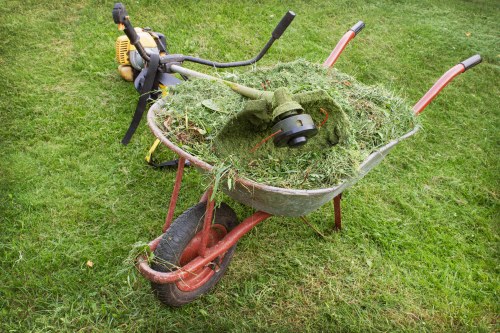
Simple preparation can make a commercial waste collection smoother without requiring much effort from the customer. If waste is stored in more than one room, grouping it by area helps avoid confusion on the day. It can also be useful to leave a clear route to bulky items, especially where furniture or appliances have to be moved through shared access points. These are small practical steps, but they help the collection run in an orderly way.
Access arrangements matter because many commercial premises have different entry controls, operating hours or shared spaces. If there are loading restrictions, lift restrictions or reception procedures, it is best to mention them when asking for a quotation. That allows the collection to be planned in a way that fits the building. We work most effectively when the job is described clearly, particularly where the clearance includes a mix of small waste and larger items.
Whether your need is a one-off clearance or a more regular commercial collection, the next step is simple: tell us what needs removing and ask for a quotation. If you have an office, shop, storage room or other business space in Hoxton that needs clearing, our commercial waste removal service is ready to handle the rubbish, bulky items and mixed materials that have built up.