Complaints Procedure for Commercial Waste Removal Hoxton
 This Complaints Procedure describes how we manage concerns about commercial waste removal services in the Hoxton service area. It sets out the scope, principles and stages applied when a business raises an issue regarding commercial rubbish collection, business waste removal or related site services. The purpose is to ensure that all complaints are treated fairly, promptly and consistently, and that outcomes are recorded and implemented to prevent recurrence. This document is a legal-style policy statement: it explains the process rather than providing contact channels or case-specific advice.
The procedure applies to complaints about collections, disposal, contamination handling, missed pickups, vehicle conduct on site and any contractual or operational matters arising from Hoxton commercial waste removal operations. It covers complaints from business customers, their authorised representatives and property managers, but excludes disputes subject to separate contractual dispute resolution clauses unless agreed for concurrent handling. The policy describes expectations for timelines, investigation standards and the types of remedies that may be considered.
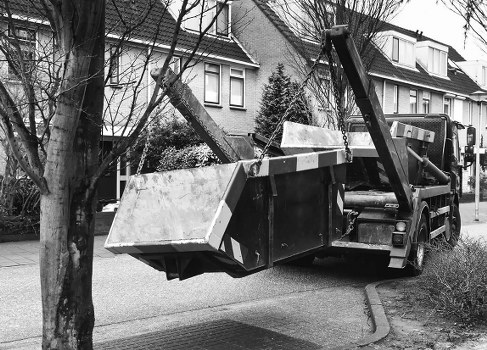 Our approach is guided by three core principles: accessibility, transparency and proportionality. We commit to acknowledging receipt of a complaint, keeping the complainant informed of progress, providing a clear outcome and applying remedies where appropriate. All complaints will be handled with respect for confidentiality and in line with data protection obligations. We treat every case as an opportunity to improve service delivery, whether the issue concerns commercial waste disposal in Hoxton, on-site handling of bulky rubbish or recycling separation practices.
How to raise a complaint
Complaints should include sufficient information to allow a prompt assessment. Key details normally needed are the date and time of the incident, the location (as relevant to the service area), the service type (for example, scheduled bin collection or ad hoc commercial waste removal), any reference or invoice numbers and the name of the responsible account or business. Please provide a clear description of the issue and, where available, supporting evidence such as photographs or vehicle details. Submitting a concise chronology of events helps reduce follow-up queries and speeds up resolution.
 On receipt, complaints are triaged to determine whether a frontline resolution is possible or whether a formal investigation is required. Frontline resolution aims to resolve straightforward matters quickly, often within a few working days, by correcting operational errors, arranging a make-good visit or providing an explanation and apology. If the issue is complex or requires site inspection, the matter will proceed to formal investigation with a named investigator and an expected timeframe for completion.
We recognise that businesses operating in the same locality may have differing needs; therefore the process is adaptable to the nature and scale of the complaint. For example, matters affecting ongoing collections for multiple commercial units may require co-ordination with site managers and additional operational planning. Throughout, communication will be tailored to the complainant’s role and the commercial waste removal arrangement in place, while remaining consistent with procedural fairness.
Investigation, escalation and outcomes
The formal investigation stage is documented and may include: site visits, review of vehicle logs, examination of service records, interviews with drivers and staff, and analysis of photographic or electronic evidence. Investigations are led by a complaints officer or manager who is independent of the operational team involved where practicable. A written record of findings will be produced and stored in accordance with record-keeping policies. Investigative steps are taken with the aim of establishing facts quickly and impartially.
 Escalation follows a staged model:
- Stage 1 – Frontline resolution: immediate action to resolve simple issues;
- Stage 2 – Formal investigation: documented review and response within an agreed timeframe;
- Stage 3 – Internal review: escalation to senior management for unresolved or complex complaints.
 Remedies are designed to be proportionate and may include a written apology, operational corrections such as re-collection or improved scheduling, training interventions for staff, or modest financial adjustment where service failure has caused demonstrable loss. Decisions about remedies are made on the basis of evidence and the impact of the failure on the complainant. All outcomes will be set out in writing, and the file will include details of any corrective actions to be taken to reduce the risk of recurrence.
Closure, record-keeping and continuous improvement
Once a complaint has been resolved or the final stage of internal review completed, the complaint will be formally closed and recorded. Records include the complaint details, investigation steps, findings, outcome and any remedial actions. These records support monitoring of recurring themes across the rubbish company service area and inform service improvement plans. Aggregate complaint data is reviewed periodically to identify trends, training needs and operational enhancements.
Confidentiality is maintained throughout, and personal data is processed only for the purposes of investigation and resolution. Where a complainant is not satisfied with the internal resolution, they may seek alternative routes such as industry ombudsmen or regulatory channels applicable to waste management providers. The procedure also explains how requests for independent review are handled as part of escalation without providing external contact details in this policy statement.
We are committed to learning from complaints. Each upheld complaint will prompt an assessment of whether procedural change, additional guidance for crews, or customer communication improvements are required. This complaints procedure is reviewed periodically to ensure it remains effective and aligned with good practice for commercial waste removal and commercial rubbish collection in the Hoxton area and similar service localities.
