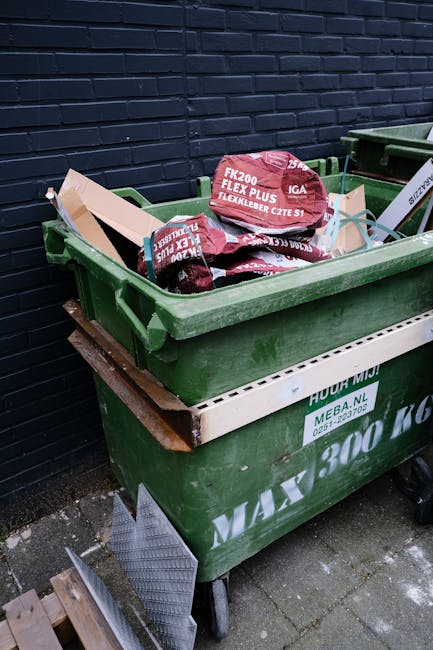
Cheap commercial rubbish collection for Hoxton shops

If you run a shop in Hoxton, rubbish has a habit of building up at exactly the wrong time. A few broken boxes by the till, old display stock in the back room, packaging from a delivery day, and suddenly the place feels cluttered. Cheap commercial rubbish collection for Hoxton shops is really about keeping that pressure under control without paying more than you need to. Done well, it keeps your shop cleaner, safer, and easier to run. Done badly, it turns into missed collections, overfilled bins, and that awkward smell no one wants customers noticing on a busy afternoon.
This guide walks through how low-cost commercial waste collection works, what makes it genuinely cheap rather than just "cheap-looking", and how Hoxton retailers can choose a service that fits the realities of small premises, tight pavements, and fast-moving stock rooms. You'll also find a practical checklist, a comparison table, and a few things shop owners often overlook. Truth be told, waste is rarely the exciting part of retail. But it can quietly make or break the day-to-day flow.
Why Cheap commercial rubbish collection for Hoxton shops Matters
Hoxton shops tend to work in a fairly compressed space. Whether you're running a fashion boutique, a convenience store, a small cafe, a barber, or an independent gift shop, there is usually not much spare room for waste. The back area gets used for storage. The front must stay presentable. And if collections are inconsistent, rubbish starts competing with the stock you actually want to sell. Not ideal.
Cheap commercial rubbish collection matters because the cheapest waste is often the waste you remove quickly and correctly. When rubbish sits too long, it can create extra handling time, trip hazards, pest issues, and problems with staff morale. In a shop, even a minor pile-up is visible. Customers see it, team members work around it, and nobody feels better for it. A simple, reliable collection routine can stop that drift before it starts.
There is also a cost-control angle. Shops are sensitive to anything that adds recurring overhead. If your waste service is oversized, you pay for capacity you never use. If it is too small, you end up calling for emergency clearances, which tends to be the expensive way around the problem. The sweet spot is a service that matches your actual waste pattern, not a brochure version of it.
Expert summary: The best low-cost rubbish collection for Hoxton shops is not simply the lowest headline price. It is the service that keeps collections predictable, prevents overfill, and saves staff time without cutting corners on handling or disposal.
For shops with mixed waste streams, it also helps to separate general waste, cardboard, packaging, old shelving, and special items like broken appliances or confidential paper. If you already use business waste removal, the most cost-effective setup is usually the one that keeps different waste types moving in the right direction from the start.
How Cheap commercial rubbish collection for Hoxton shops Works
At a practical level, commercial rubbish collection is straightforward. You assess what your shop throws out, choose a collection approach, arrange a time, and the waste is collected and taken for processing, recycling, or disposal. The details matter, though, because the wrong setup can quietly get expensive.
Most shop waste collection starts with a quick assessment of volume and type. A small independent retailer may generate mostly packaging and soft waste. A cafe might have food packaging, cleaning waste, and occasional appliance items. A shop fitting or refit can produce heavier loads, which are better treated as a special clearance rather than everyday bin removal. If you are comparing options, it is worth looking at the provider's wider waste removal approach as well as the base collection service.
Pricing is normally influenced by a few common factors:
- the amount of waste to be collected
- the type of waste, especially if anything needs special handling
- how easy it is to access the rubbish
- whether the job is one-off or recurring
- how quickly you need the collection carried out
A shop in a busy Hoxton street may also need to think about access windows, loading conditions, and how much disruption a collection will create. Let's face it, no one wants a bin team blocking the pavement when customers are queuing for coffee or browsing the window display. A good provider should plan around that, not just arrive and improvise.
For some businesses, the collection may be a simple uplift of bagged waste. For others, there may be bulky items, damaged fixtures, or waste from refit work. In those situations, it can help to combine regular collection with a more targeted service such as builders waste clearance if there has been fitting, drilling, or shop improvement work.
Key Benefits and Practical Advantages
The obvious benefit is saving money, but a genuinely good service delivers more than that. In day-to-day shop life, the practical gains are often where the real value sits.
- Cleaner customer areas: less overflow means a tidier shopfront, stockroom, and service area.
- Better staff flow: your team spends less time moving waste around and more time serving customers.
- Reduced disruption: a well-timed collection keeps the working day steady rather than turning waste into a problem everyone has to manage.
- Improved safety: fewer loose boxes, bags, and bulky items reduce trip and blockages.
- More control over costs: regular, right-sized collections are usually more efficient than ad hoc emergency callouts.
- Better recycling outcomes: sorting recyclable materials properly can reduce what goes into general waste.
One practical detail that shop owners often underestimate is staff morale. Nobody loves stacking rubbish bags beside the mop bucket or squeezing broken cartons behind the freezer. It becomes part of the background noise of the day. Remove that friction, and the space feels easier to work in. Small thing, big difference.
Another benefit is consistency. If your collection schedule is predictable, you can train staff around it. They know where waste goes, when it needs to be ready, and what must be separated. That kind of routine saves time and prevents little mistakes that add up across a month.
If your operation includes stockrooms, offices upstairs, or storage areas that regularly fill with redundant items, it may also make sense to look at office clearance for one-off decluttering alongside normal collections.
Who This Is For and When It Makes Sense
Cheap commercial rubbish collection for Hoxton shops is useful for more businesses than people first assume. It is not just for large retailers with constant waste streams. In fact, smaller premises often feel the benefit even more, because they have less room to absorb mess.
This service makes sense if you run:
- a corner shop or convenience store
- a cafe, takeaway, or dessert shop
- a boutique or fashion retailer
- a beauty salon or barbershop
- a small specialist store with boxes, packaging, and display waste
- a mixed-use premises with shop floor plus storage or office space
It also makes sense during busier trading periods. Christmas stock, sale changes, seasonal displays, and post-renovation cleanup can all produce more waste than usual. If your back room starts to feel like it's swallowing the building, that is usually the moment to get a better collection rhythm in place.
Some shops only need a one-off uplift after a clear-out. Others benefit from ongoing collection because waste builds steadily every week. The right answer depends on your turnover, your product mix, and how much stock arrives in cardboard, plastic wrap, pallets, or broken packaging. There isn't one universal setup. There never is, really.
If your shop generates occasional bulky furniture or display unit waste, it may be more efficient to pair regular collections with a dedicated service such as furniture disposal rather than forcing everything into the general waste stream.
Step-by-Step Guidance
If you want to keep costs down and avoid messy surprises, a simple process works best. Nothing fancy. Just disciplined.
- List your waste types. Separate daily rubbish from recyclable cardboard, packaging film, damaged fixtures, and any special items.
- Estimate how often waste builds up. A shop with daily deliveries may need a different rhythm from one with stock arriving twice a week.
- Check access. Think about where bags are stored, whether loading is easy, and what happens on busy pavements or narrow service entrances.
- Decide between recurring or one-off collection. Regular waste is usually cheaper to manage with a planned routine; bulky clear-outs are better handled separately.
- Ask about sorting and recycling. The more your materials are separated correctly, the less likely you are to pay for mixed waste handling.
- Review the quote carefully. Make sure it is clear what is included and what counts as extra.
- Set a staff routine. Tell the team where to place waste, what must be kept aside, and who checks the area before collection day.
A good rule of thumb: if staff are repeatedly "making do" with waste storage, the setup is wrong. The process should fit the shop, not the other way around. Simple as that.
When you want to compare costs or get a clearer idea of what affects pricing, the page on pricing and quotes is a sensible place to start before making a decision.
Expert Tips for Better Results
After a while, most shop waste problems come down to the same few habits. Get those right and the rest gets easier.
- Separate cardboard immediately. Cardboard left loose tends to collapse, spread, and soak up space. Flatten it as it comes in.
- Use one waste point per zone. If possible, keep a clear rubbish point in the stockroom and one near the preparation or serving area.
- Keep heavy items out of general bags. Broken fixtures, tiles, shelving, and appliance parts can make collections awkward and increase handling time.
- Photograph unusual waste before collection. It helps if you need to describe a load accurately or avoid misunderstandings.
- Review waste volume after seasonal peaks. Many shops forget to reset after a busy period and keep paying for temporary capacity they no longer need.
Here is a small but useful one: put waste checks on a quiet part of the day, not during the rush. Ten minutes before closing or shortly after opening often works better than trying to sort bags while customers are waiting. Your team will thank you, even if they don't say it out loud.
If your shop also handles sensitive paperwork, receipts, or customer records, it may be worth considering confidential shredding alongside your general collection plan. It keeps waste streams cleaner and reduces the chance of mixed-up paperwork being tossed into ordinary bags.
Common Mistakes to Avoid
The cheapest option on paper can become the most expensive one in practice if you fall into one of these traps.
- Choosing purely on headline price. A low quote is no bargain if it excludes access, sorting, or extra handling that appears later.
- Not understanding what counts as commercial waste. Shop waste is usually different from household rubbish, and it should be treated that way.
- Mixing everything together. Mixed waste is often harder to process and may cost more than a better-sorted load.
- Leaving waste until it becomes a weekend problem. That is how stockrooms become awkward, cramped, and a bit grim by Friday afternoon.
- Ignoring bulky items. One old fridge, counter, or display unit can break a routine collection plan if it is not flagged early.
- Forgetting staff training. The best system still fails if nobody knows where things go.
One sneaky mistake is assuming every collection should happen the same way. It shouldn't. General waste, recyclable packaging, and special clearances all have different economics. If a fridge, chiller, or broken appliance is involved, a dedicated service such as fridge and appliance removal is usually the safer and tidier route.
Another common slip-up is not checking storage space before collection day. Sounds minor. It isn't. If bags are left in the wrong place, collections can become slower and more disruptive than they need to be.
Tools, Resources and Recommendations
You do not need specialist software to manage shop rubbish well. Most small businesses can do it with simple habits and a few practical tools.
- Basic waste log: a notebook or shared document to track how much waste you produce each week.
- Simple colour-coded bins: helpful for separating cardboard, general waste, and special items.
- Photo records: useful for showing load size or documenting bulky items before a collection.
- Stockroom labels: clear labels reduce confusion and keep staff consistent.
- Collection calendar: even a wall planner can stop missed pickups.
In terms of service planning, there are a few useful pages on the site that can help you understand adjacent needs. For example, if your shop is undergoing a refresh, builders waste clearance may be more suitable than standard rubbish uplift. If you are clearing old stock rooms or office corners, office clearance can be a better match. And if you want to understand the company background before booking, the about us page is worth a look.
For customers who like a bit of reassurance before booking, the site's insurance and safety page, along with health and safety policy, can help you understand how collections are handled responsibly.
Law, Compliance, Standards, or Best Practice
Commercial rubbish collection is not something you want to treat casually. In the UK, businesses are expected to manage waste responsibly, keep it secure, and make sure it is transferred to a legitimate carrier and handled properly. You do not need to memorise legal language to stay on the right side of things, but you do need a sensible process.
Best practice usually includes:
- keeping waste contained so it does not spill into public areas
- separating materials where practical
- avoiding unsafe storage near exits, heaters, or customer routes
- using a service that can explain how different waste types are handled
- being extra careful with hazardous or regulated items
If your shop produces anything unusual, such as chemicals, aerosol cans, cleaning agents, or damaged electrical items, it is better to raise that early. A provider that offers hazardous waste disposal should only be used for materials that genuinely need that level of care. Don't guess. That's one area where "probably fine" is not a great strategy.
Payment and booking transparency also matter. Clear terms reduce disputes and help you compare quotes properly. It is sensible to read the provider's terms and conditions and payment and security information before placing a booking.
For businesses that want a cleaner sustainability story, the page on recycling and sustainability is useful context. Even a small shop can improve waste outcomes by separating cardboard properly and reducing what ends up in general rubbish.
Options, Methods, or Comparison Table
Not every waste problem needs the same solution. A quick comparison helps make the choice less confusing.
| Method | Best for | Typical strengths | Watch-outs |
|---|---|---|---|
| Regular commercial rubbish collection | Routine shop waste, packaging, and general uplift | Predictable, easy to budget, keeps the shop tidy | Can become inefficient if waste patterns change and the plan is not updated |
| One-off waste removal | Seasonal clear-outs, stock changes, end-of-line disposal | Flexible, useful for sudden surges | Usually not the cheapest option if used all the time |
| Bulky item clearance | Old counters, shelving, broken displays, appliances | Better suited to awkward or heavy items | Needs accurate description and sometimes special handling |
| Specialist sorting approach | Shops with lots of cardboard or mixed packaging | Can reduce general waste costs and improve recycling | Needs staff discipline to work well |
For many Hoxton shops, the best answer is a mix: routine commercial rubbish collection for the steady stuff, and occasional targeted clearances when stock or fit-outs create heavier loads. That balance usually keeps costs sensible without making the shop feel chaotic.
If you are unsure what should go where, the page what can go in a skip can also be useful for understanding what is typically accepted in larger waste loads, even if you are not booking a skip yourself.
Case Study or Real-World Example
Picture a small Hoxton clothing shop after a seasonal delivery cycle. There are flat-packed boxes stacked by the back wall, plastic wrap in a bin bag, broken hangers, a damaged display rail, and a dead LED unit that has finally given up. The shop still looks good out front. But in the back? Slightly less glamorous. To be fair, that is life in retail.
The owner starts with one-off rubbish clearances every few weeks, but notices two things: first, the back room fills up too quickly; second, staff keep spending time shuffling waste around instead of dealing with customers or stock. The fix is not more drama. It is a better collection pattern.
By separating cardboard and packaging from general waste, scheduling routine collections, and using a separate clearance for bulky items, the shop lowers the number of emergency callouts. Staff stop improvising. The stockroom becomes usable again. And the shop stops smelling faintly of damp cardboard, which, let's be honest, nobody wants in a retail setting.
The owner also keeps a simple waste log for a month. Nothing fancy, just enough to see patterns. That small habit makes future planning easier and stops the business paying for more collection capacity than it needs. A bit boring, yes. Also effective.
Practical Checklist
Use this quick checklist before booking commercial rubbish collection for your shop:
- Have you listed the types of waste you produce?
- Do you know roughly how much waste builds up each week?
- Are cardboard and recyclables being separated where possible?
- Is there a clear storage point for waste that does not block staff or customers?
- Have you identified any bulky or special items that need separate handling?
- Have you checked the provider's pricing, terms, and safety information?
- Do staff know what goes where and when collections happen?
- Have you thought about seasonal peaks or upcoming refits?
- Is the route for collection easy enough to avoid unnecessary disruption?
- Do you have a plan for reviewing the setup after the first month?
If you can tick most of those off, you are already ahead of the game. If not, no panic. The fix is usually a small process change rather than a big expense.
Get a free quote today and see how much you can save.
Conclusion
Cheap commercial rubbish collection for Hoxton shops is not about chasing the lowest number and hoping for the best. It is about creating a waste routine that fits your shop's rhythm, your space, and your budget. When the system is right, the whole business feels lighter. Stockrooms stay usable, customer areas stay smarter, and your team wastes less energy dealing with rubbish that should never have become a problem in the first place.
If you are comparing options, start with the waste you actually produce, not the waste you imagine you produce. That one shift changes everything. From there, look at collection frequency, access, handling requirements, and whether any bulky or special items need separate attention. A sensible setup is usually a cheaper setup. Funny how that works.
And if you want a service that aligns with your shop's daily realities, a clear quote and a practical conversation are usually the best next step. Small improvements add up. In a busy Hoxton shop, that matters more than people think.
Frequently Asked Questions
What does cheap commercial rubbish collection for Hoxton shops usually include?
It usually covers the collection of routine shop waste such as bagged rubbish, cardboard, and mixed packaging, plus disposal or recycling where appropriate. The exact scope depends on the provider and the type of waste you generate.
How can a shop keep waste collection costs down?
The most reliable way is to separate recyclable materials, avoid over-ordering collection capacity, and book the right service for the right job. A routine plan is often cheaper than repeated emergency clearances.
Is commercial waste collection different from domestic rubbish collection?
Yes. Shop waste is classed differently and should be handled through a commercial arrangement. That matters for collection, documentation, and proper disposal.
What types of businesses in Hoxton use this service most?
Convenience stores, cafes, salons, fashion shops, small retailers, and mixed-use premises are all common users. Any business that produces regular packaging, stock waste, or general rubbish can benefit.
Can I use the service for bulky shop fittings or broken furniture?
Yes, but bulky items are often better handled separately so they do not slow down routine collections. If the items are furniture or display pieces, a dedicated clearance or disposal service may be more efficient.
What if my shop has cardboard and packaging waste every week?
Then it usually makes sense to build a collection plan around that pattern. Flatten cardboard, store it neatly, and keep it separate where possible so you are not paying mixed-waste prices for recyclable material.
Do I need to worry about hazardous waste?
Only if your shop produces items that need special handling, such as certain cleaning products, aerosols, or damaged electrical goods. If in doubt, ask before collection rather than mixing those items into general waste.
How do I know if I need regular collection or a one-off clearance?
If waste builds up every week, regular collection is usually the better fit. If the waste comes from a refit, seasonal reset, or major tidy-up, a one-off clearance may be more suitable.
What should I check before accepting a quote?
Check what is included, how the waste will be handled, whether access affects the price, and whether any items might trigger extra charges. It is also wise to review the provider's terms and payment information.
Can better recycling actually reduce my costs?
Often, yes. Separating cardboard and other recyclable items can reduce the amount going into general waste, which may improve efficiency and lower the overall cost of collection over time.
What is the biggest mistake Hoxton shop owners make with rubbish collection?
Usually it is waiting until the stockroom is already cramped before sorting the issue out. Once waste starts blocking usable space, the job becomes more awkward, slower, and sometimes more expensive.
How quickly should I arrange a collection if waste is building up fast?
As soon as practical. If waste is affecting safety, storage, or customer presentation, it is better to act early. Small delays tend to become bigger messes than expected, and nobody needs that on a busy trading day.
Where can I learn more before booking?
It helps to look at related pages such as pricing and quotes, business waste removal, and recycling and sustainability so you can match the service to your actual shop needs.
For more background on the company and its approach, you can also review about us, health and safety policy, and contact us if you need to ask specific questions before booking.