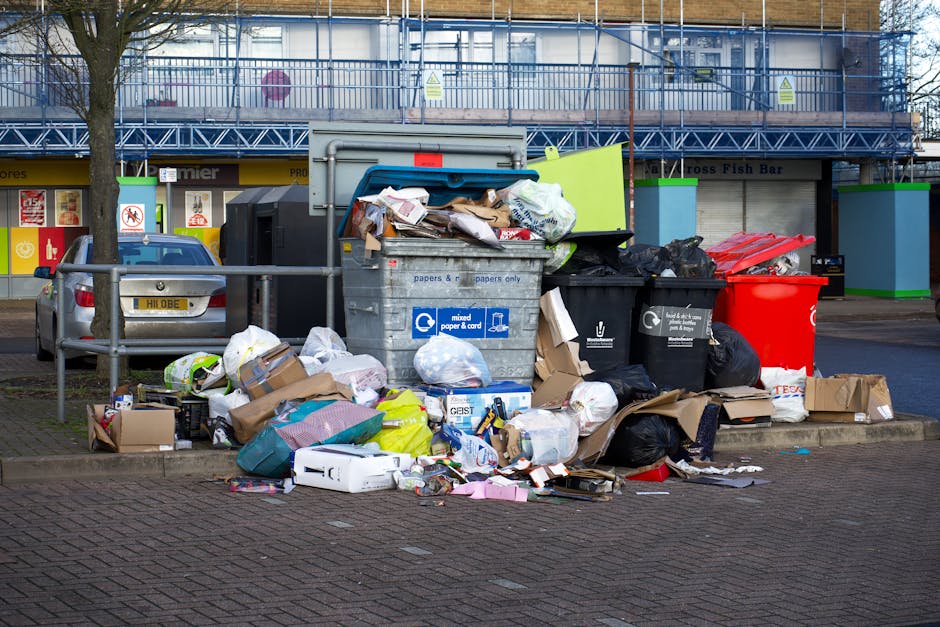
Hackney Council rules for bulky rubbish in Hoxton: what residents and businesses need to know
If you are trying to get rid of an old sofa, a broken wardrobe, or a pile of heavy household items, the rules can feel oddly complicated. That is especially true in a place like Hoxton, where flats are tight, stairwells are narrow, and nobody wants bulky rubbish sitting outside for long. This guide breaks down the Hackney Council rules for bulky rubbish in Hoxton in plain English, so you can work out what is allowed, what is risky, and what the neatest next step looks like.
We will look at how bulky waste is usually handled, what counts as bulky rubbish, where people often go wrong, and when a professional clearance service may be the simpler option. No fluff. Just the useful bits, plus a few local realities that matter on the ground.
Why Hackney Council rules for bulky rubbish in Hoxton matters
Bulky rubbish is one of those everyday jobs that looks easy until you actually try to do it. A mattress seems manageable, until you are carrying it down three flights of stairs. A sofa looks harmless, until you realise it will not fit through the hall without scraping the wall paint. In Hoxton, where many properties are compact and access can be awkward, the council rules matter because they shape what you can put out, when you can put it out, and how it should be presented.
The big issue is not just tidiness. It is also safety, access, and compliance. A bulky item left on the pavement at the wrong time can block pedestrians, upset neighbours, or attract extra waste. And let us be honest, in a busy London street that sort of thing stands out fast. The rules also help prevent contamination, fly-tipping, and confusion about what the council will actually take.
For many people, the question is simple: Can I just put this outside? Sometimes yes, sometimes no. That depends on the item, the collection method, and whether the council considers it suitable for a bulky waste collection. If you are planning a wider clearance, it may also make sense to think about related services like furniture disposal, house clearance, or flat clearance, depending on what you are actually moving.
How Hackney Council rules for bulky rubbish in Hoxton works
In practical terms, bulky waste rules usually cover larger household items that are too big for normal bin collections. Think sofas, armchairs, wardrobes, tables, bed frames, mattresses, and similar items. White goods and appliances can be a different category, and some items may need special handling because of weight, electrical parts, or environmental risk.
The first thing to understand is that bulky waste is not the same as general rubbish. You cannot simply add a broken sink, old paint tins, and a dismantled wardrobe into one random heap and assume it is fine. Councils often distinguish between ordinary bulky household waste, electrical items, and hazardous materials. That distinction matters more than people expect.
In Hoxton, the practical process normally comes down to a few questions:
- Is the item accepted as bulky waste or does it need separate disposal?
- Is it safe for collection from your property or kerbside?
- Has it been prepared properly, for example separated where needed?
- Will access be possible without obstructing residents or the street?
If you are dealing with multiple items at once, the route you choose matters. A single mattress is one thing. A full lounge set, a fridge, and a damaged shelving unit is another. For bigger jobs, people often compare council collection with private removal. If that is where you are heading, it helps to review options such as waste removal or a targeted service like mattress and sofa disposal.
One small but important note: you should never assume every bulky item can be treated the same way. A good rule of thumb is, if it is heavy, sharp, wet, electrical, or potentially hazardous, pause and check before putting it out. Saves hassle later. Saves a bit of embarrassment too, truth be told.
Key benefits and practical advantages
Following the correct bulky waste rules is not just about avoiding trouble. There are some real practical gains, especially in dense neighbourhoods like Hoxton where space is at a premium.
- Cleaner communal spaces: items are less likely to block hallways, front gardens, or pavements.
- Lower risk of complaints: neighbours tend to react badly to rubbish that sits around too long.
- Less handling stress: when the disposal route is clear, you can plan the lift, carry, and timing properly.
- Better recycling outcomes: separating items correctly often makes reuse and recycling more realistic.
- Reduced fly-tipping risk: responsible disposal means fewer abandoned items and less temptation to dump waste unofficially.
There is also a time-saving benefit that people underestimate. If you have ever stood in a cramped hallway on a wet Wednesday evening, trying to manoeuvre a sofa while someone else holds a door open, you will know the value of a simple plan. A few minutes of organisation can save a lot of frustration.
For businesses in Hoxton, the upside is even clearer. Offices, shops, and landlords may need a structured disposal route for desks, shelving, archive items, or end-of-tenancy clearances. In those cases, business-focused services such as business waste removal or office clearance can be a more efficient fit than trying to solve everything through ad hoc disposal.
Who this is for and when it makes sense
This topic matters to a surprisingly broad group of people. If you live in a flat, rent a room, manage a small office, or are clearing a property after a move, you are probably dealing with bulky waste rules whether you like it or not.
It is especially relevant for:
- Tenants moving out of a flat with unwanted furniture
- Homeowners replacing old sofas, beds, or appliances
- Landlords clearing abandoned items between lets
- Offices replacing desks, chairs, and storage units
- Tradespeople dealing with leftover non-builder bulky waste after a job
- Anyone in a shared building where access and timing are tricky
It makes sense to pay close attention to council rules when the item is big enough to cause a problem if left outside, or when you are working around limited access. Hoxton properties often have narrow stairs, limited parking, and little room for staging waste. That is not a complaint, just a fact of life around here.
Sometimes the decision is obvious. A single chair? Easy. Sometimes not so much. A fridge, a sofa, and a pile of odd household junk from the loft? That is where people start asking whether a clearance service is better than trying to piece together several collections. If you are in that position, home clearance or loft clearance can be the cleaner route.
Step-by-step guidance
If you want to deal with bulky rubbish properly, work through it in order. Rushing usually leads to missed items, poor access planning, or the wrong disposal route.
- Identify exactly what you have. Make a simple list: sofa, mattress, wardrobe, appliance, broken shelving, and so on.
- Separate bulky waste from hazardous or restricted items. Paint, chemicals, gas bottles, batteries, and similar materials should not be bundled in with general bulky rubbish.
- Check whether the item needs special handling. Appliances, fridges, and some electricals often need extra care. If the item contains refrigeration components or electronic parts, do not assume normal disposal applies.
- Think about access. Ask yourself: can it be carried out safely without blocking the stairwell or damaging walls? That question alone saves many headaches.
- Choose your route. Council collection, private removal, reuse, or a mixture of methods may all be viable depending on condition and volume.
- Prepare the item properly. Dismantle where possible, remove loose parts, and make sure nothing sharp or unstable is left exposed.
- Confirm timing and presentation. Follow the agreed collection instructions carefully, whether the waste is going to the kerbside or being taken from inside the property.
A realistic example: imagine you are replacing a bed and clearing a small spare room in Hoxton. The mattress is bulky. The bed frame is bulky. The old wardrobe is bulky. But the broken bedside lamp is an electrical item, and the cracked mirror needs careful handling. Splitting those pieces correctly makes the whole job smoother. It also avoids the classic "why is this still here?" moment on collection day.
If you are unsure how to sort mixed items, looking at a service page like what can go in a skip can help you think through acceptable waste categories, even if you are not actually hiring a skip. The key idea is the same: sort first, dispose second.
Expert tips for better results
People usually overcomplicate bulky waste disposal, or underprepare for it. The sweet spot is somewhere in the middle: a little planning, not a military operation.
Start with the heaviest item. If you can move the biggest object safely, everything else feels easier. It also tells you whether access is realistically workable.
Measure doorways and turns before collection day. This sounds obvious, but plenty of people skip it. Then the sofa gets stuck halfway down the stairs, and everyone has to do that awkward sideways shuffle. Not ideal.
Keep the collection route clear. Shoes, bikes, plant pots, bags, prams, and miscellaneous clutter all create trip hazards. Clear paths are safer and faster.
Separate reusable items if possible. A decent chair, an intact chest of drawers, or a clean table may be suitable for reuse or resale. Even if you are not trying to sell anything, it is worth asking whether something has a second life left in it.
Watch for hidden hazards. A sofa can hide broken springs. A wardrobe can have loose fixings. An appliance can still contain water or residue. Small things, but they matter.
Do not leave bulky items out too early. In busy streets, putting waste out too far in advance can make it vulnerable to rain, tampering, or complaints. Better to line things up close to the collection time.
And yes, sometimes the job is more annoying than it should be. That is normal. A bit of patience goes a long way.
Common mistakes to avoid
Most bulky waste problems come from a few predictable mistakes. If you avoid these, you are already ahead of the game.
- Mixing hazardous waste with bulky rubbish: this is the fastest way to create a disposal problem.
- Leaving items in the wrong place: obstruction on pavements, doorways, or shared access routes can cause issues.
- Assuming all furniture is accepted in one go: some items need separate handling or special arrangements.
- Forgetting about weight and lifting risk: two-person lifts are not optional when the item is awkward or heavy.
- Not checking building rules: landlords, managing agents, and leaseholds sometimes add their own requirements.
- Ignoring recycling potential: throwing everything into the same pile can reduce reuse and recovery opportunities.
One common real-world slip-up is underestimating how long a clearance takes. Someone thinks it is a "quick five-minute job", then discovers the wardrobe does not fit the lift and the mattress has to be turned on end down a narrow stairwell. Suddenly the whole afternoon has disappeared. Happens more than people admit.
If the job is bigger than expected, it may be better to move to a full-property solution such as flat clearance or furniture clearance rather than trying to tackle each item separately.
Tools, resources and recommendations
You do not need fancy equipment to manage bulky rubbish well, but a few practical tools make the job safer and less frustrating.
- Measuring tape: useful for checking doors, hallways, lifts, and stair turns.
- Work gloves: simple protection for rough edges, dust, and splinters.
- Furniture straps or trolleys: helpful for heavier items where safe lifting is possible.
- Dust sheets or old blankets: protect walls and floors during removal.
- Labels or notes: useful if you are sorting mixed waste or coordinating several people.
For readers who want a more structured route, the most useful on-site pages are the ones that help you plan the disposal properly rather than just dump everything into one basket. For example, recycling and sustainability is a good starting point if you care about reducing waste, and pricing and quotes can help when you are comparing the cost of different removal approaches.
If your bulky rubbish includes items like fridges or large appliances, look closely at the handling route. A dedicated page such as fridge and appliance removal is particularly useful because appliance disposal often has its own practical quirks. For anything that could be hazardous, the safest move is to check hazardous waste disposal guidance before doing anything else.
Law, compliance, standards, or best practice
When bulky rubbish is involved, the important thing is to stay within the council's collection rules and broader UK waste-handling expectations. You do not need to become a waste lawyer, thankfully, but you do need to avoid careless disposal. In practice, that means checking what the council accepts, separating restricted items, and making sure waste is not left in a way that creates a nuisance or safety issue.
There is also a wider duty of care principle in UK waste management: waste should go to a lawful destination and be handled responsibly. That is especially relevant if you are arranging a clearance through a third party. A reputable provider should be able to explain how they handle lifting, transport, sorting, and disposal. If they cannot explain that clearly, hmm, that is a bit of a red flag.
For commercial customers, compliance matters even more. Business waste should be dealt with properly, records should be kept where required, and mixed waste streams should be managed sensibly. Offices in Hoxton often need to be careful about confidential material too, which is where confidential shredding may be useful alongside normal waste removal.
It is also wise to check internal policies around safety and liability. Pages such as health and safety policy, insurance and safety, and terms and conditions can help you understand how a provider approaches risk, responsibility, and service expectations.
Expert summary: for bulky rubbish in Hoxton, the best outcome usually comes from three things working together: correct sorting, safe access, and the right collection method. Get those right, and the rest becomes much simpler.
Options, methods, or comparison table
There is no single best way to deal with bulky rubbish. The right choice depends on how much you have, how quickly it needs to go, and whether the items are reusable, recyclable, or awkward to move.
| Method | Best for | Advantages | Limitations |
|---|---|---|---|
| Council bulky waste collection | Single items or small quantities | Simple for residents, predictable, suitable for occasional clear-outs | May have collection rules, timing limits, and item restrictions |
| Private waste removal | Mixed items, urgent jobs, awkward access | Flexible, often faster, useful for larger loads | Needs careful provider selection and clear pricing |
| Specialist disposal | Fridges, appliances, hazardous or sensitive items | Better handling for specific waste types | Not suitable for general mixed rubbish |
| Reuse or donation | Items in good condition | Reduces waste and can be the best environmental outcome | Not every item is suitable, and timing can be less certain |
If you are choosing between methods, ask yourself two questions: how urgent is this, and how much effort do I want to spend moving the items? That usually clarifies the decision quickly. Fancy answer? No. Useful answer? Absolutely.
Case study or real-world example
A small Hoxton flat recently had a classic clear-out problem: a sofa that had reached the end of its life, a mattress that had seen better days, a chipped coffee table, and a broken drawer unit from the bedroom. On paper, it looked straightforward. In reality, the hallway was tight, the stairwell turned sharply, and the property had shared access that needed to stay clear for neighbours.
The sensible approach was to sort the items before moving anything. The sofa and mattress were treated as bulky furniture waste. The drawer unit was checked for loose fittings. The table was separated because it could be dismantled and moved more easily. The resident also checked whether there was any chance of reuse before disposal. There was not, but that extra ten minutes saved a lot of uncertainty.
The key lesson was simple: the collection itself was not the difficult part. The preparation was. Once the items were sorted, measured, and placed carefully, the clear-out went smoothly and nobody had to drag a half-dismantled wardrobe through a narrow corridor at the last minute. Which, honestly, is the sort of drama most people are happy to avoid.
That same logic applies to larger jobs too. Whether you are handling garage clearance, garden clearance, or builders waste clearance, the best results usually come from grouping similar waste, checking access, and planning the lifting route before collection day.
Practical checklist
Use this before you set anything out for bulky rubbish collection in Hoxton.
- List every item you want removed.
- Separate bulky furniture from electricals and hazardous waste.
- Measure doorways, stair turns, and lift access if needed.
- Check whether any item can be reused, donated, or dismantled.
- Make sure the route out of the property is clear and safe.
- Confirm timing so waste is not left outside too early.
- Keep sharp, heavy, or unstable items secure.
- Review whether council collection or private removal is the better fit.
- For commercial premises, separate confidential or sensitive materials.
- Ask for clear pricing and service details before booking if using a private provider.
Quick takeaway: if the job is small and straightforward, council collection may be enough. If it is mixed, urgent, awkward, or bulky in volume, a full removal service is often the calmer option.
Get a free quote today and see how much you can save.
Conclusion
Hackney Council rules for bulky rubbish in Hoxton are really about making disposal safer, cleaner, and more manageable in a crowded part of London. Once you know what counts as bulky waste, what needs special handling, and how access affects collection, the whole process becomes much less stressful.
For some people, a simple council collection will do the job. For others, especially in flats, shared buildings, or mixed clear-outs, a more flexible removal service is the practical choice. Either way, the smartest move is to sort your items properly, keep access clear, and choose the route that fits the actual job in front of you. Little bit of planning goes a long way.
If you want to keep the process smooth, respectful to neighbours, and properly handled from start to finish, that is already a strong start. And honestly, that is often the difference between a messy weekend and a fairly painless one.
Frequently Asked Questions
What counts as bulky rubbish in Hoxton?
Bulky rubbish usually means large household items that will not fit in a normal bin collection, such as sofas, mattresses, wardrobes, tables, and similar furniture. Some electrical items may fall into different disposal categories.
Can I leave bulky waste outside my property for collection?
Only if the collection arrangement allows it and the items are placed safely and correctly. Leaving waste out too early or in the wrong place can create problems, especially on busy Hoxton streets.
Are fridges and appliances treated the same as other bulky items?
Not always. Fridges and many appliances often need separate handling because they can contain components that require special disposal. It is better to check first than to guess.
What should I do with a sofa that is too big to move easily?
Measure the route out of the property first and see whether it can be dismantled safely. If not, a specialist furniture removal option may be easier than trying to force it through narrow access.
Do I need to separate hazardous waste from bulky rubbish?
Yes. Hazardous items such as chemicals, paint, batteries, or gas-related materials should not be mixed with normal bulky rubbish. They need a different handling route.
Is council collection cheaper than private removal?
It often can be for simple, small jobs, but not always once time, access, and extra items are factored in. For mixed or awkward clear-outs, a private service may be better value overall.
What if I live in a flat with tight stair access?
That is very common in Hoxton. Measure carefully, clear the route, and consider whether a flat-focused clearance service would be the safer and simpler option.
Can bulky waste include old office furniture?
Yes, office furniture such as desks, chairs, and storage units may be suitable for removal, but commercial waste should be dealt with properly and may be better handled through a dedicated business service.
What happens if I put the wrong items out?
The collection may be delayed or refused, and you may need to separate the waste yourself. In some cases, the wrong items can create safety or compliance issues, so it is worth checking before collection day.
How do I know whether to use a council collection or a clearance company?
If you only have one or two straightforward items, council collection may be enough. If you have multiple items, poor access, mixed waste, or a tight deadline, a professional clearance option is usually the calmer choice.
Can reusable furniture be collected with the rest of my bulky waste?
It can, but if an item is in good condition, it may be better to separate it for reuse or resale. That can reduce waste and sometimes make the overall job more efficient.
Where can I get help with larger clear-outs in Hoxton?
For bigger jobs, useful starting points include home clearance, house clearance, or office clearance, depending on the type of property and waste involved.