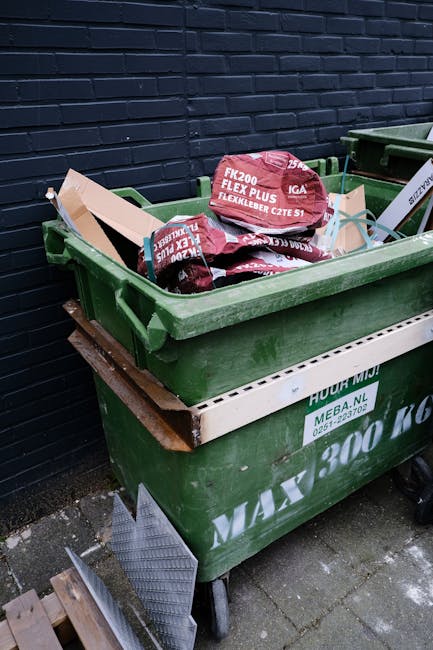
What to know about skip permits for rubbish Hoxton N1
If you are planning a clear-out in Hoxton N1, the last thing you want is a skip sitting outside your property and causing trouble with the council, the neighbours, or your own timeline. What to know about skip permits for rubbish Hoxton N1 comes down to one simple idea: if a skip needs to go on a public road, pavement, or other council-controlled space, you may need permission before it arrives. Miss that step and the whole job can become more awkward than it needs to be.
In practice, the rules are not difficult, but they do need a bit of care. Hoxton streets can be tight, busy, and a little unforgiving when a large container is involved. This guide breaks down how skip permits work, who needs them, when alternatives make more sense, and how to avoid the common mistakes that catch people out. No fluff. Just the stuff that actually helps.
Table of Contents
- Why skip permits matter in Hoxton N1
- How the permit process works
- Key benefits and practical advantages
- Who needs a permit and when it makes sense
- Step-by-step guidance
- Expert tips for a smoother hire
- Common mistakes to avoid
- Tools, resources and recommendations
- Law, compliance and best practice
- Options and comparison table
- Real-world example
- Practical checklist
- Conclusion
- Frequently asked questions
Why What to know about skip permits for rubbish Hoxton N1 Matters
A skip permit matters because the location of the skip matters. That sounds obvious, but it is where many people get tripped up. If the skip is placed fully on private land, such as your driveway or a private yard, a permit is often not needed. If it sits on a public road outside a terrace in Hoxton, it usually does. Simple idea, annoying reality.
Why does that matter so much locally? Hoxton has a mix of residential streets, flats, converted buildings, small businesses, and roads with limited space. A skip that blocks access can affect pedestrians, delivery drivers, bin collection, emergency access, and parking. Even if the job is just a tidy-up, the impact on the street can be bigger than expected.
There is also the practical side. A skip permit can protect you from delays, fines, and the stress of having to move the skip at short notice. And let's be fair, few things kill a weekend clear-out faster than a surprise enforcement issue. If you want the rubbish gone cleanly and legally, the permit question is not a side note. It is central.
Expert summary: If the skip touches public ground, assume you may need permission until confirmed otherwise. In Hoxton N1, that small check can save time, money, and a lot of unnecessary back-and-forth.
How What to know about skip permits for rubbish Hoxton N1 Works
In the UK, skip permits are usually arranged when the skip will be placed on public land. In many cases, the skip provider helps with the application, but responsibility still matters. The permit is generally tied to the location, the dates, the size of the skip, and how the skip will be safely positioned.
The process usually follows a basic pattern:
- You decide where the skip will go.
- You check whether that area is private or public.
- If it is public, a permit is requested before delivery.
- The skip is dropped off once approval is in place.
- The skip is collected before the permit period ends.
That is the broad shape of it. The detail can vary, and that is where people get caught out. Some roads may have extra restrictions, some placements may require signage or lights, and some locations simply are not suitable for a skip at all. In a busy patch of London, space is the hidden cost.
If you are unsure whether your rubbish is a one-off household job or a bigger mixed load, it can help to compare a skip with other clearance services. For example, a waste removal service may be more suitable if you need fast collection without a skip sitting outside for days. Likewise, for building work, builders waste clearance may fit better when rubble, timber, and packaging are all coming out together.
One practical note: if your project is in a flat or basement property, access is often what decides the answer. A skip can be ideal, but if the front street is narrow and the nearest loading point is a pain, a different solution may be easier in real life. Not glamorous, but true.
Key Benefits and Practical Advantages
When a skip permit is handled properly, the benefits are mostly about smoothness. The rubbish leaves, the job stays legal, and there is less scope for a messy interruption halfway through the week.
- More flexibility for larger clear-outs: A skip gives you time to load waste gradually rather than racing to finish in one afternoon.
- Better for bulky mixed waste: Furniture, renovation offcuts, and general junk are often easier to manage in a skip than in bags alone.
- Cleaner site control: With a skip on hand, waste is contained instead of spreading across hallways, pavements, or shared entrances.
- Reduced stress: Once the permit and placement are sorted, you can focus on the actual job rather than juggling piles of rubbish.
- Safer handling: A fixed container can be safer than stacks of loose waste, especially if people are walking past or working nearby.
There is also a less obvious benefit: it forces a bit of planning. That may sound dull, but planning usually saves money. If you know exactly what is going into the skip, you are less likely to over-order the wrong size or discover too late that a different clearance method would have been easier.
For many Hoxton households and businesses, the biggest advantage is convenience. Not the flashy kind. The practical kind that means one fewer thing to worry about on a busy day. And in London, that counts for a lot.
Who This Is For and When It Makes Sense
This topic is relevant to a wider range of people than you might think. Skip permits are not just for big contractors. They matter to anyone who needs a container placed where the public can reach it.
Common situations where a permit may be needed
- House clearances with no driveway or private forecourt
- Flat clearances where loading needs to happen from the street
- Bathroom or kitchen refits producing bulky waste
- Small business refurbishments in high-footfall streets
- Garden or garage clearances where front access is limited
- Builders' waste jobs where materials need several days to fill safely
For homeowners, a permit often becomes relevant when the front garden is tiny or the property shares access. For landlords and managing agents, it is often about minimising disruption to tenants and neighbours. For shop owners, the main concern is usually keeping trade flowing while rubbish is removed discreetly.
If you are clearing out furniture, for instance, you may want to compare skip hire with dedicated clearance options such as furniture clearance or furniture disposal. Sometimes that is the more sensible route, especially if the items are awkward, heavy, or need separating from general waste.
Truth be told, not every job needs a skip. A quick loft tidy or a small post-move declutter might be handled more efficiently through house clearance or home clearance. The best choice is the one that fits your access, waste type, and timescale.
Step-by-Step Guidance
Here is a straightforward way to think about the process. Keep it simple and you are less likely to make avoidable mistakes.
- Work out your waste type. Is it mixed household rubbish, construction debris, green waste, old furniture, or a bit of everything?
- Check the placement area. If the skip sits fully within private land, a permit may not be needed. If it goes on the road, assume it may be.
- Confirm access and space. Measure the available area. A skip needs room not just for drop-off, but also for safe loading and collection.
- Choose the right service. A skip is not always the best answer. Sometimes a targeted clearance service is faster and cleaner.
- Arrange the permit early. Do not leave it until the last minute, because timing issues can push the whole project back.
- Load the skip properly. Keep waste level where possible, and avoid overfilling. A stuffed skip can become a collection problem.
- Schedule collection on time. Once the job is done, get the container removed promptly so it does not overstay its welcome.
A small but useful detail: think about the route for delivery and collection. In a street with parked cars, narrow turning space, or frequent delivery vans, the logistics matter as much as the waste itself. You can have the perfect plan on paper and still hit a wall if the lorry cannot get in safely. Not ideal, obviously.
If you need a more focused option for office or business waste, office clearance and business waste removal can be worth considering. They are often easier to coordinate than a skip sitting outside a commercial entrance all week.
Expert Tips for Better Results
After dealing with enough clearance jobs, you start to see the same patterns. The smoothest jobs are rarely the fanciest. They are the ones where the basics are done properly.
- Check the road conditions before booking. If parking is tight in the morning and worse by lunchtime, delivery timing becomes important.
- Sort waste before the skip arrives. A quick pre-sort makes loading calmer and often reduces wasted space.
- Separate restricted materials early. Some waste types need special handling, so keep them out of general loads unless your provider says otherwise.
- Keep neighbours in mind. A short heads-up can prevent complaints, especially if the skip will affect shared access.
- Choose the right size, not the biggest size. Bigger is not always better. Sometimes it is just more expensive and harder to place.
- Ask about collection timing upfront. A skip that stays too long can be more trouble than the waste itself.
One thing people often forget is how quickly small jobs grow. You begin with "just a few bags and an old chair", then suddenly there is a broken wardrobe, a boxed-up printer, and a garden shed worth of odds and ends. That is normal. The trick is planning for the realistic version of the job, not the hopeful version.
If you are managing a mixed household load, services such as flat clearance, garage clearance, or loft clearance may be more efficient than trying to fill a skip item by item. It depends on access and how hands-on you want the process to be.
Common Mistakes to Avoid
Most problems with skip permits are not dramatic. They are the kind of small errors that snowball. A day lost here, a fine there, another call to sort out access. Slightly annoying, then suddenly expensive.
- Assuming a permit is unnecessary. If the skip touches public land, do not guess.
- Booking without checking access. A skip lorry needs room, and Hoxton streets can be unforgiving.
- Overfilling the skip. Waste above the rim can create safety and collection issues.
- Mixing prohibited items with general rubbish. Some items need separate handling, especially hazardous or electrical waste.
- Leaving it too late to arrange collection. A skip that lingers can create complaints or extra charges.
- Ignoring the waste type. Heavy materials, appliance waste, and garden waste may need different handling strategies.
There is also a common "I'll sort it later" mindset that causes trouble. Later often becomes never, and then the skip is full of a random mix of things you meant to separate. A messy system is still a system, but not a helpful one.
If you are unsure about specific items, check guidance on what can go in a skip before loading. The page what can go in a skip is a useful place to start, especially if you are dealing with awkward items or a mixed load.
Tools, Resources and Recommendations
You do not need a toolkit the size of a builder's van, but a few simple things make skip planning much easier.
- Measuring tape: Useful for checking whether a skip will fit where you think it will.
- Basic inventory list: Write down what is going in so you can estimate the right solution.
- Camera phone: A few photos of the access point can help you think clearly about positioning and obstructions.
- Work gloves: Handy if you are loading the skip yourself and moving rough materials.
- Labels or separate bags: Good for keeping reusable, recyclable, and general waste apart.
From a service perspective, the most useful resources are the ones that help you make a better waste decision before the job starts. That may mean reviewing pricing and quotes to compare options, or checking recycling and sustainability if you want to reduce landfill where possible.
For home clearances, it can also help to compare several service types side by side. A full house clearance may be more practical than arranging a permit, especially if you have a lot of bulky items and not much spare time. For garden jobs, garden clearance is often less disruptive than a skip on a narrow road.
Law, Compliance, Standards, or Best Practice
When skip permits are involved, the key point is compliance with local placement rules and responsible waste handling. Exact requirements can depend on the area, the road, the size of the container, and how long it is there. So, while the principle is straightforward, the details should always be checked carefully.
Good practice usually includes:
- confirming whether the skip is on private or public land
- arranging permission before delivery where needed
- keeping access routes safe and clear
- not overfilling the skip
- separating waste that needs special treatment
- following collection timing agreed with the provider
If you are handling commercial waste, the bar is a little higher in practical terms because business sites often have stricter access constraints and more varied waste streams. Office rubbish, packaging, appliances, and confidential paper all need different thinking. That is one reason services like confidential shredding and fridge and appliance removal exist in the first place.
It is also sensible to look at insurance and safety arrangements. A skip placed on a public street should be managed with care, and the people handling the job should understand safe loading, site awareness, and traffic considerations. If you want a bit more reassurance, reviewing insurance and safety and health and safety policy information can help you feel more confident about who is doing what.
Finally, keep in mind that terms and conditions matter. That is not exciting reading, admittedly, but it helps avoid misunderstandings about timings, prohibited items, or extra charges. A five-minute check can save a lot of backtracking later.
Options, Methods, or Comparison Table
Choosing between a skip and another waste solution often depends on access, waste volume, and how quickly you want the area cleared. Here is a simple comparison to make the decision easier.
| Option | Best for | Main advantage | Possible drawback |
|---|---|---|---|
| Skip hire with permit | Large clear-outs, renovations, mixed bulky waste | Loads stay on site while you work | Needs space and may require permission |
| Waste removal collection | Fast turnaround and awkward access | No skip sitting outside for days | Less flexible for ongoing loading |
| House or home clearance | Full-room or whole-property clearances | Hands-off and efficient | Less control over the loading process |
| Specialist clearance | Furniture, appliances, lofts, garages, offices | Tailored to the waste type | May not suit mixed building waste |
If you are still on the fence, ask yourself a practical question: do you need somewhere to steadily load rubbish over several days, or do you need the waste gone in one clean sweep? That one answer often points you to the right option.
For example, a renovation job in a narrow Hoxton street may be better handled with builders waste clearance, while a one-off declutter could lean towards furniture disposal or a broader clearance service. Different jobs, different rhythms.
Case Study or Real-World Example
Here is a realistic example. A small flat near a busy Hoxton road is being cleared before a move. The resident has a broken desk, two chairs, old shelving, a pile of bagged clutter, and a mattress. There is no driveway, only limited kerbside space. At first glance, a skip seems obvious.
Then the details come in. The street has high daytime parking pressure, there is not much room for a skip lorry, and the waste includes items that may be easier to remove directly. After checking access, the resident chooses a mixed approach: some items go through a targeted clearance service, and only the heavier, more awkward waste needs additional handling. The result is less street disruption and a faster finish.
That kind of decision is pretty common in Hoxton. The most efficient solution is not always the most obvious one. Sometimes the best move is to avoid the skip entirely. Other times, the skip is still the right answer, but only once the permit and placement details are sorted properly. Either way, the key is matching the method to the street, not the other way round.
In our experience, people usually feel relieved once the decision is made. The uncertainty is often worse than the waste itself. A clear plan takes the edge off.
Practical Checklist
Use this quick checklist before you book anything. It keeps the job grounded and saves second-guessing later.
- Have I confirmed whether the skip will sit on private or public land?
- Is there enough space for delivery, loading, and collection?
- Do I know what waste is going in?
- Are there any items that need special handling?
- Would a clearance service be easier than a skip?
- Have I checked the expected permit timing if one is needed?
- Do I know when the skip will be collected?
- Have I spoken to neighbours or building management if access is shared?
- Am I keeping the load within the skip height limit?
- Have I reviewed pricing, safety, and service terms?
A quick checklist like this may look basic, but it is often the difference between a clean job and one with avoidable friction. And nobody wants to spend extra time sorting out a simple rubbish job that should have been easy in the first place.
Conclusion
What to know about skip permits for rubbish Hoxton N1 is really about planning well enough to avoid a headache. If the skip will go on public land, the permit issue needs attention early. If access is tight, another clearance method may be better. If the waste is mixed or bulky, the right service can save time and prevent mess.
The smartest approach is usually the calm one: check the space, check the waste, check the timing, then choose the method that fits the street and the job. Hoxton can be busy, but a little local awareness goes a long way. Get that part right and the rest tends to fall into place.
Get a free quote today and see how much you can save.
And if you are still weighing up the options, take your time for a moment. A good waste plan should feel like a load off, not another thing on the list.
Frequently Asked Questions
Do I always need a permit for a skip in Hoxton N1?
No. A permit is usually only needed if the skip is placed on public land, such as a road or pavement. If it sits fully on private property, a permit may not be required.
Who arranges the skip permit?
Often the skip provider will help arrange it, but it is still sensible for you to confirm the details. You want to know exactly where the skip is going, how long it will stay there, and whether any local restrictions apply.
How long does a skip permit usually last?
That depends on the local authority and the arrangement made for the job. The important thing is to match the permit period to your delivery and collection schedule so the skip does not overstay its welcome.
Can I put a skip outside my flat in Hoxton?
Possibly, but access is the key issue. If the skip needs to be placed on a public road outside the building, permission may be needed. If access is awkward, a flat clearance or waste removal service may be the better fit.
What happens if I place a skip without permission?
You could face enforcement action, delays, or additional costs. Just as importantly, it can create problems for neighbours and traffic flow. Better to check first than sort it out later.
Is a skip better than waste removal collection?
It depends on the job. A skip is handy when you want time to load waste gradually. Waste removal is often better when you want the rubbish taken away quickly without leaving a container outside.
What kind of waste can go in a skip?
Common household rubbish, furniture, and many renovation materials can usually go in a skip, but some items need special handling. It is always worth checking the waste type before loading.
Can I mix garden waste and building waste in one skip?
Sometimes, yes, but it depends on the provider and the waste mix. Mixing different waste types can affect recycling and may change how the load is handled, so confirm this before booking.
How do I know what skip size I need?
Think about the volume and shape of your waste. Bulky items take more room than bags of lighter rubbish, and odd-shaped items can fill a skip faster than expected. If in doubt, ask for guidance before ordering.
Are there alternatives if my street is too narrow for a skip?
Yes. In tight streets, a direct waste removal service, furniture disposal, or a full clearance may be easier than trying to place a skip safely on the road.
Can I load a skip myself if it is on the street?
Yes, but you should do so carefully and keep the area tidy and safe. Avoid overfilling, and make sure nothing blocks pedestrians or nearby access points.
Is skip hire suitable for business waste in Hoxton?
It can be, especially for refurbishments or large office clear-outs. That said, some businesses find office clearance or business waste removal more convenient, especially if they need a cleaner, faster turnaround.
What is the safest next step if I am not sure?
Check the access, list the waste items, and compare a skip against a direct clearance option. If the location is tight or you are unsure about permissions, getting advice before booking is the safest move.